SWIFT WATER DESIGN ARE EXPERTS IN LARGE SCALE PROCESS BASED RESTORATION

Since this video was shot in spring 2025, our structure, stream mile and project count has of course increased.  Check out the Swift Water Design home page to see how much!!

JUST A FEW OF OUR MANY PBR PROJECTS

(more to come)

Tasmam Koyom

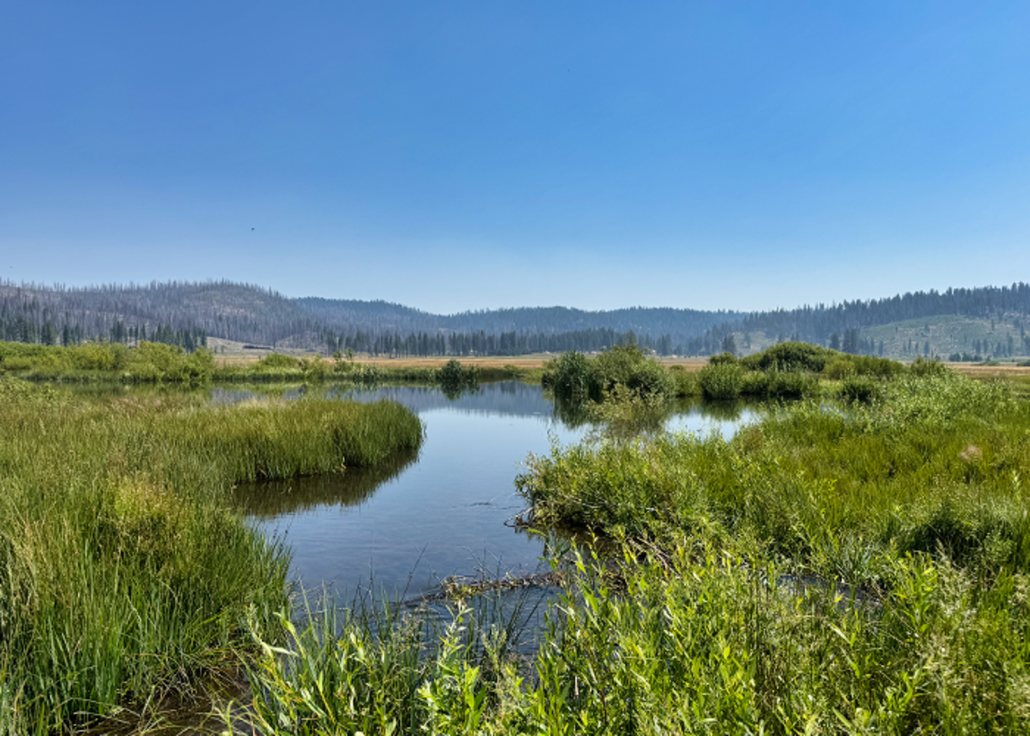
Site of the first legal beaver re-introduction in 75 years, this valley is Maidu land and a real joy to work in.

5 years, 7 rounds of implementation and one family of beavers later…


In 2019 MSC got their land back from PG&E, and we started work right away with a one-day pilot. We built 4 structures to address a noisy little headcut everyone was worried about, and then we built a couple of small BDAs upstream. Just above and just below here, it’s pretty deeply incised again, and was getting worse all the time. So why not start there, and fight the biggest guy in the bar first? Because you never make your big gains down in the trench, and we’re smart enough to keep our heads up out of the channel.


In 2020 we reworked the original structures, and built a few more in the same area, which added a little more wetted area, some complexity and a little channel length. It was a decent start for an additional day’s work, and  very cheap. We also seeded the trench above with some rapid wood loading, because there was no driving posts in there.


In 2021 we had the Dixie fire, and built around 30 structures up in this area, plus connected a channel on the next tributary over. At $40k into this part of the meadow we started to get the kind of results I like to see, with around a mile of stream built that lit up 2 more miles. Late in 2021 we got an atmospheric river that did a ton of good work for us and opened up a bunch of process space.


In early 2022 we spent 5 days and put in around 70 more structures, and it was just incredible how well the system responded once it was really fattened up. That fall we had the first Build Like a Beaver workshop, and started on the side channel to Yellow Creek.


Spring 2023 we repacked a bunch of structures, added a few more, drowned some groundwater wells, and had the second Build Like A Beaver training on the side channel. Then CDFW dropped off 7 beavers, and we handed off the baton for the lower channels.


For 2024 we had another Build Like A Beaver training higher up the side channel, far enough away we wouldn’t disturb the beavers.

2025 saw us giving a training to the Maidu Summit Consortium on how to rework last year’s structures, and the beavers continued rioting!

A big win for the Process Based Restoration mission.
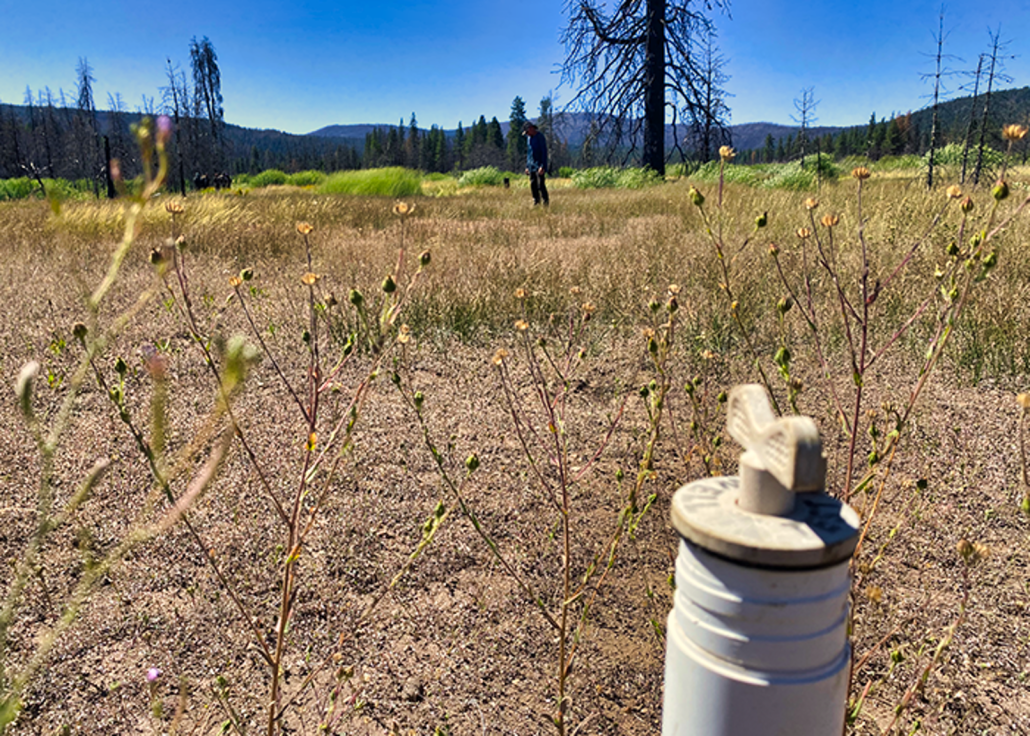
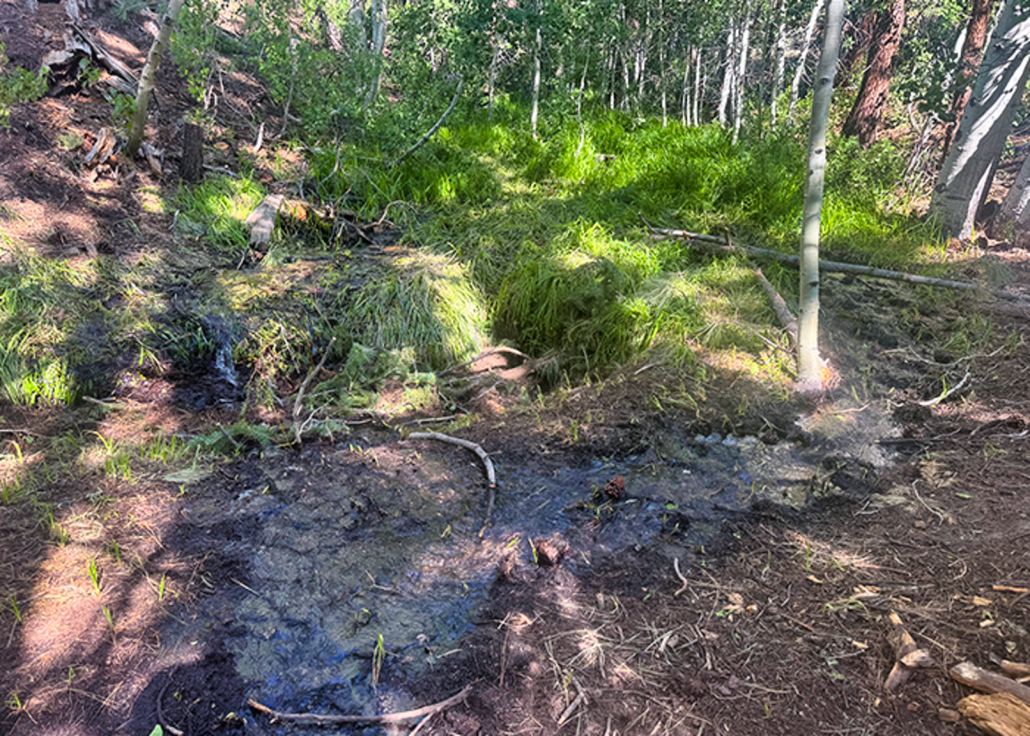
A dry well when we arrived
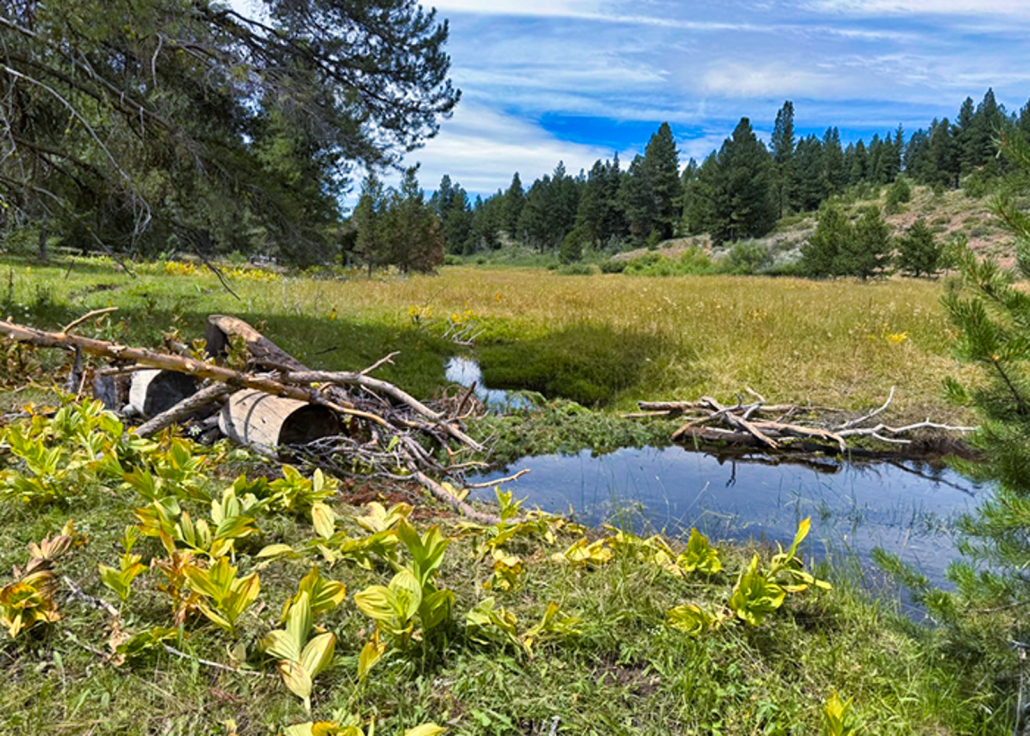
New water on dry land
Throwing a switch
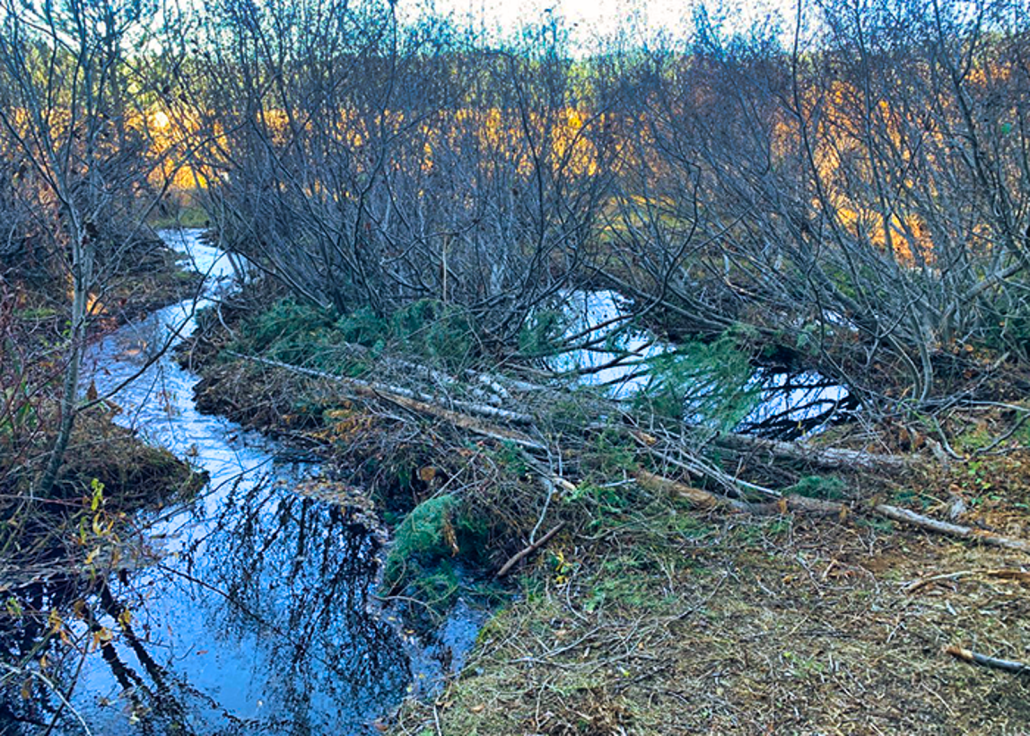
Wet riverscapes are happy ones

Whitworth Creek

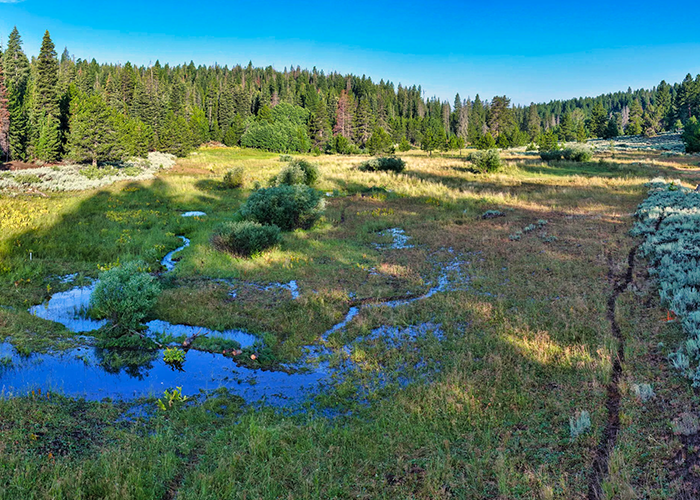
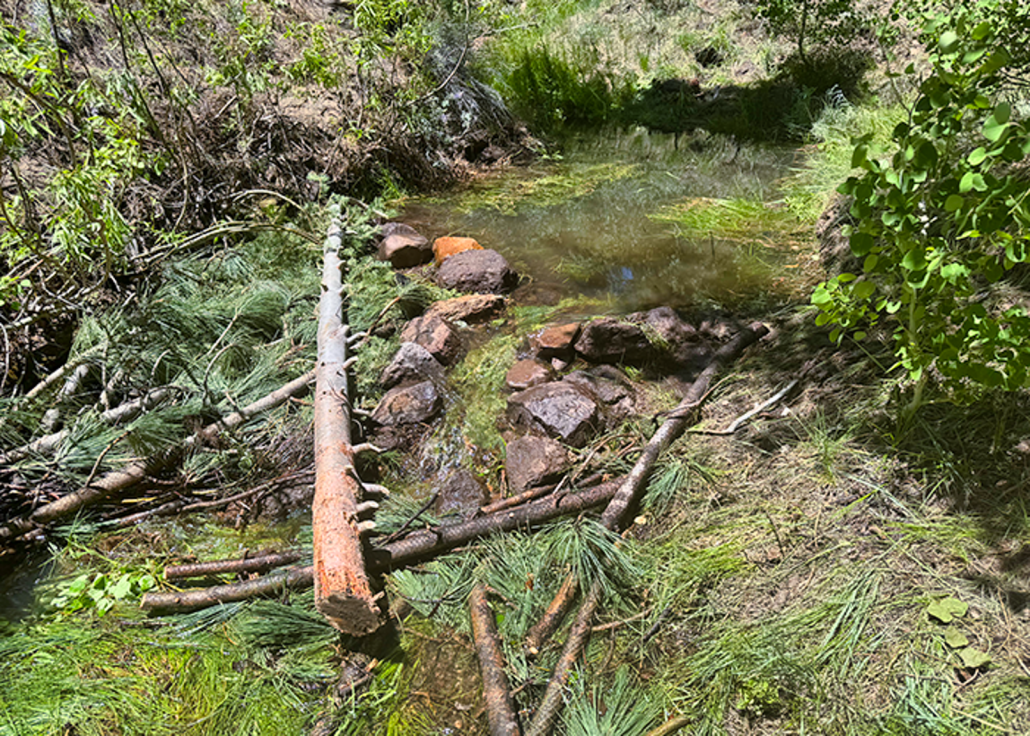
Located in southeastern Oregon, Whitworth Creek feeds into the Sprague River and the Klamath Watershed.  Restoration goals are to re-establish floodplain connection to an incised waterway, increase groundwater storage capacity, and support native Redband Trout.  Cattle are a continuing source problem at this site, so we have started including big dead trees on the edges of our structures to keep cattle from walking across the structures and punching holes in them.


A species of concern in this system are  fresh water mussels, so we’re hand-relocating these long lived, slow moving organisms out of structure sites before we start work.


Making the build much easier, we’ve got several beaver colonies moving up and down through the entire 2.5 miles of stream. For our first round of implementation we simply re-built and raised their abandoned dams, letting them do the design. Then that winter and spring they took a couple of the sites back over, and built on top of our rebuilds! It was so much fun to consciously, intentionally partner with the beavers.

“Unnamed” Creek

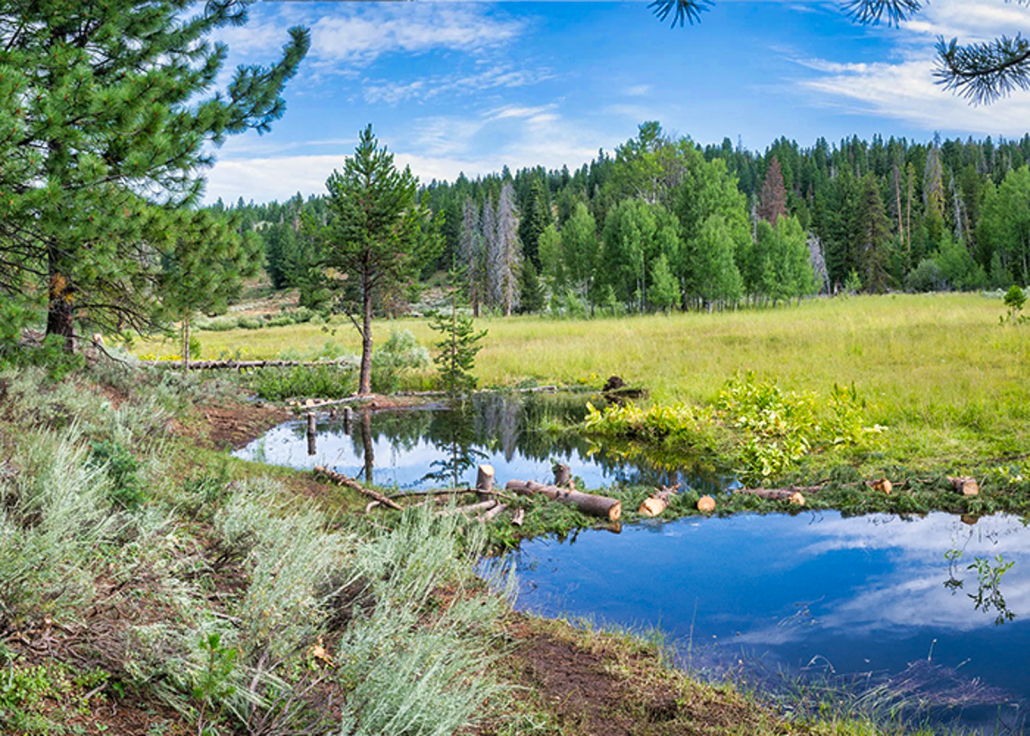
Located in the central eastern Sierra Nevada, this creek is the home to a genetically isolated population of endangered Lahontan Cutthroat Trout (LCT).  They persisted because the creek was too small to interest fishermen, so nobody stocked it with the Brook or Brown trout that would out-compete the LCT and further reduce their already minimal population. It’s also why we’re not sharing the creek name.

Because the stream channel is so small and prone to disconnecting, and the fish have such limited habitat, ensuring that we kept enough water in the channel while also reconnecting remnant channels and wetlands required some creative problem solving. 


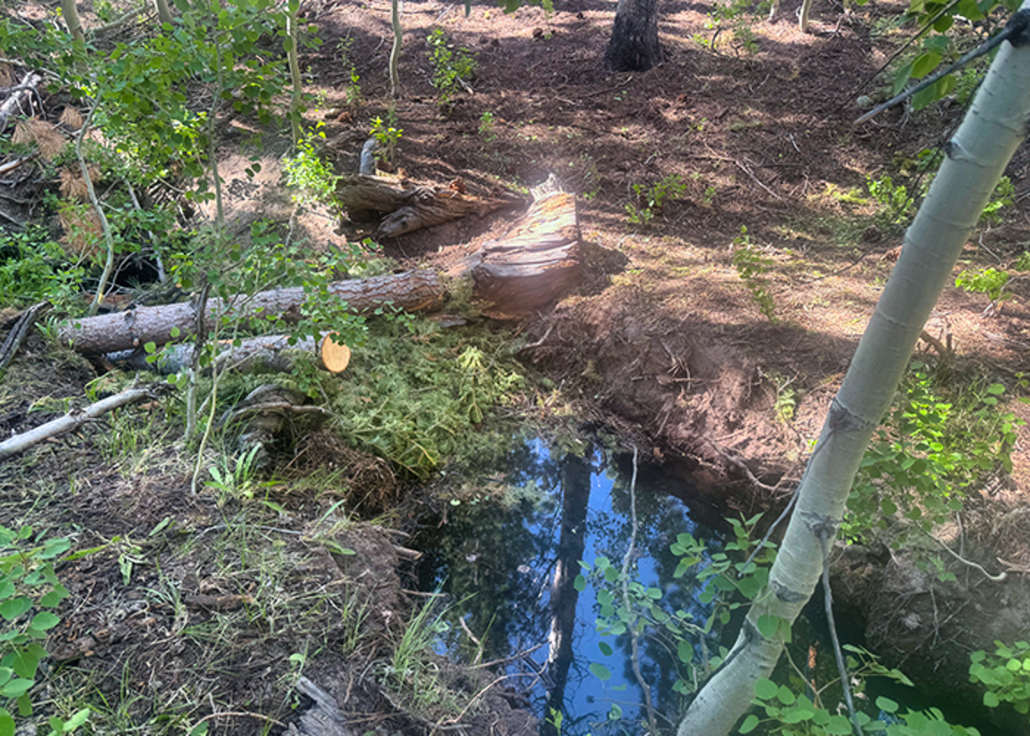
We built a reversible plug to open a remnant channel that filled a nearby wetlands, and only let it run  at night, using the additional water available when the plants were dormant to achieve our groundwater and meadow goals, without reducing flows to the fish during the day. I’ve never had so much fun while stressing out so much—it’s a truly horrifying, beautiful privilege to work with the last 500 of these fish in the world.


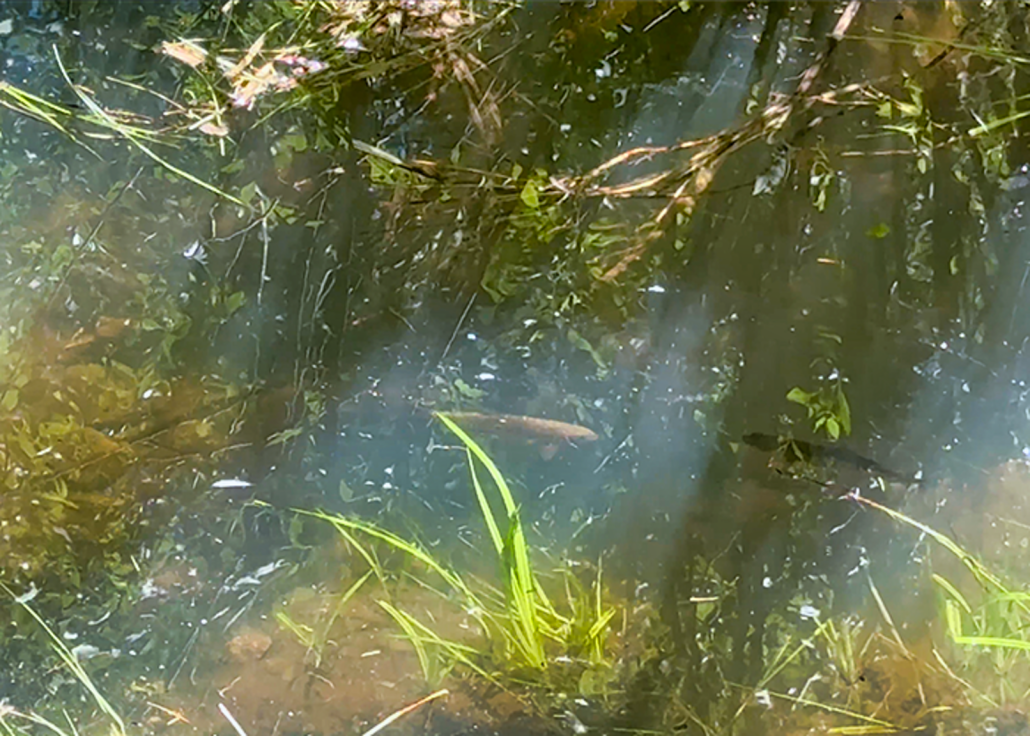
It was striking just how friendly, inquisitive and fearless these trout were, likely due to a lack of fishing, and they now hold a special place in the hearts of our crew.  We are excited about the next rounds of Process Based Restoration implementation, and the potential of beavers to return to this vibrant, vital ecosystem.

Dixie - CV-31

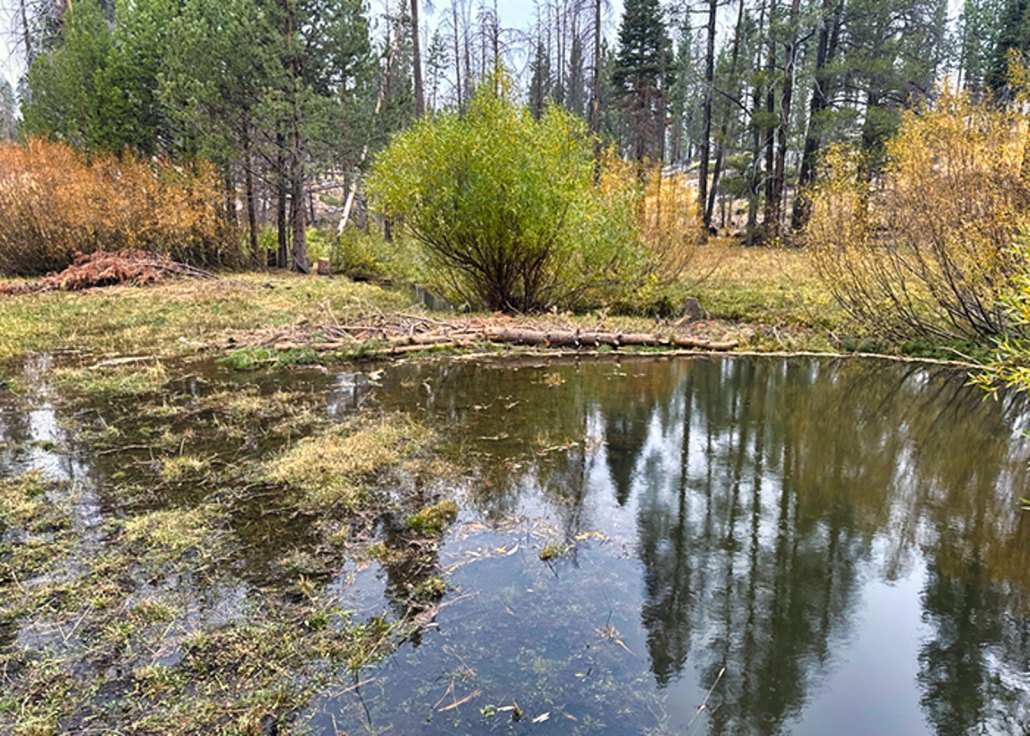
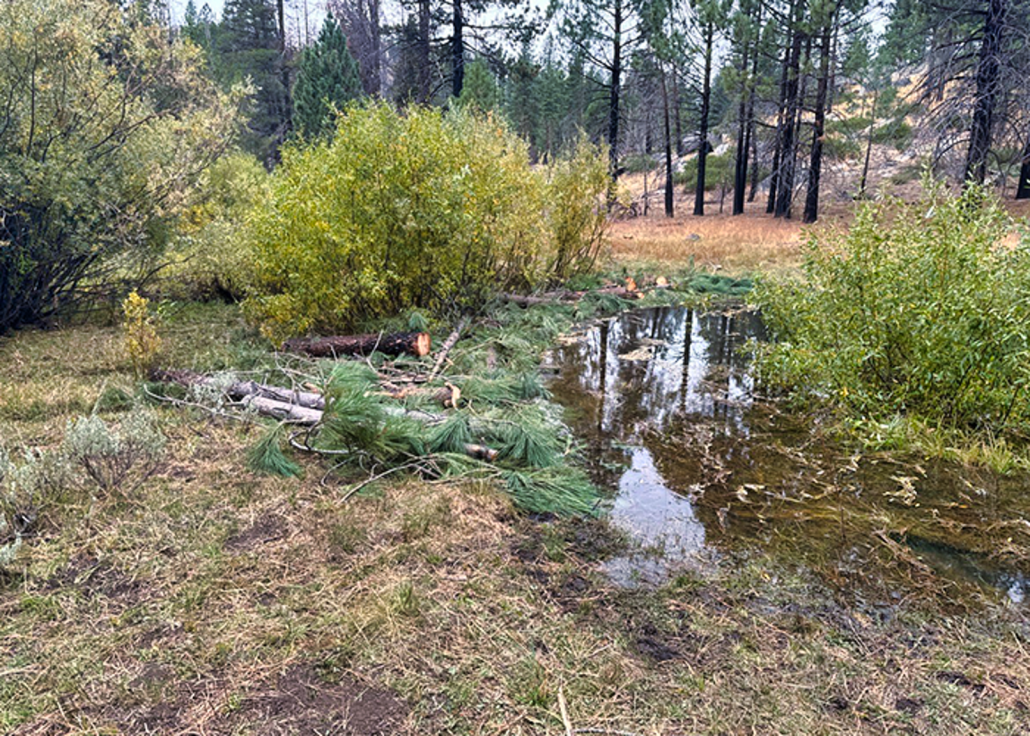
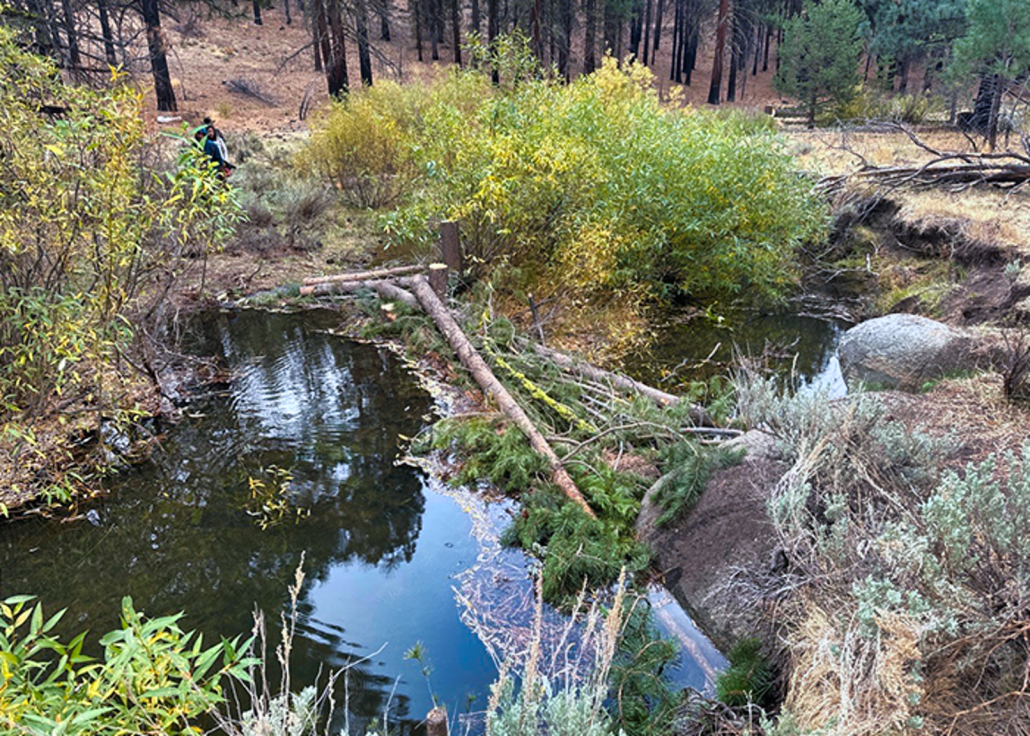
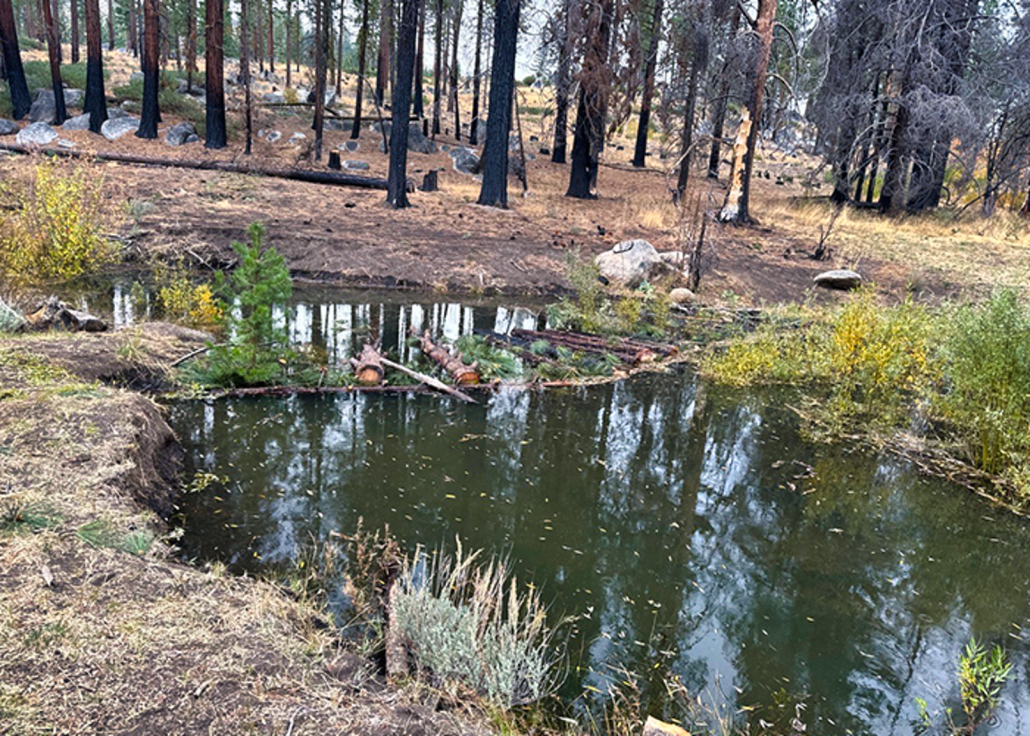
The 2021 Dixie Fire burned nearly a million acres over one long, hot summer, and much of it was National Forest land.  In the winter of 2023 we were invited to work over 30 meadows in Plumas National Forest, with less than 3 months design time and a budget that would evaporate the coming summer, which made it quite an inspiring challenge.


Because the landscape had a 3 year start on re-vegetating, the amount of sediment that we typically love to capture immediately post fire had already washed out of the system. It was still a great opportunity to address some long standing incision, rehydrate dry meadows, and get some groundwater storage underway high in the uplands where it can do the most good.


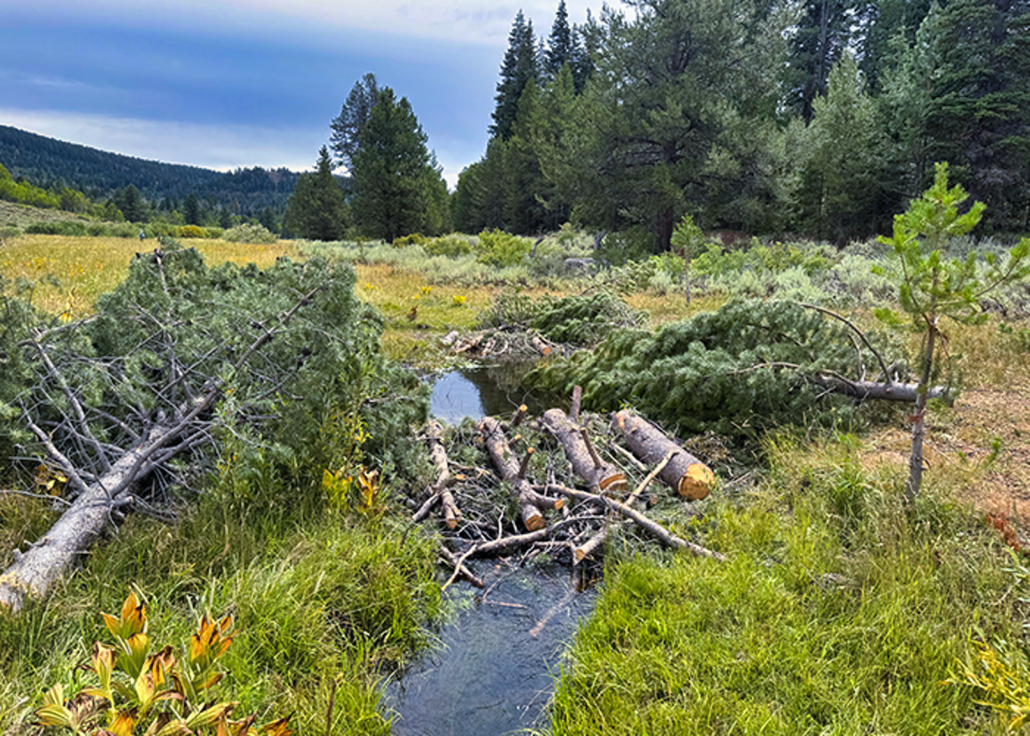
One particular meadow in the complex that we built was CV-31, which stands for Cradle Valley – 31, the Forest Service shorthand designation for naming meadows in a complex like this.  This particular site had amazing potential—lots of water, plenty of encroaching conifers, many side channels, and easy floodplain connectivity.


It was so good we held two big trainings there—one exclusively for USFS employees that had 50 attendees, and the 2024 Build Like A Beaver training with 70 attendees.


In the end, we built more than 9 miles of stream on 20 different meadows in just over 2 working months.

To reach the Swift Water Design Team, click the button below: